










程序性细胞死亡蛋白1(PD-1)是一种重要的免疫抑制受体,主要在T细胞、B细胞、自然杀伤细胞以及其他免疫细胞中表达。PD-1通过与其配体PD-L1和PD-L2结合,发挥抑制免疫反应的作用。在正常免疫反应中,PD-1的激活是防止免疫系统过度活跃的一种自我保护机制,帮助免疫系统避免对自体组织的攻击。然而,在肿瘤免疫逃逸过程中,肿瘤细胞通过上调PD-L1表达与PD-1结合,抑制T细胞的免疫活性,从而逃逸免疫监视。此外,PD-1的异常激活在自免疾病中也起到了重要作用。通过PD-1与其配体的相互作用,免疫细胞的活性被抑制,导致免疫系统无法有效清除自身细胞或组织,这也是多种自免性疾病发生的一个重要机制。
Programmed cell death protein 1 (PD-1) is an important immunosuppressive receptor expressed mainly on T cells, B cells, natural killer cells, and other immune cells. PD-1 exerts its inhibitory function by binding to its ligands PD-L1 and PD-L2. In normal immune responses, the activation of PD-1 serves as a self-protective mechanism to prevent...
Programmed cell death protein 1 (PD-1) is an important immunosuppressive receptor expressed mainly on T cells, B cells, natural killer cells, and other immune cells. PD-1 exerts its inhibitory function by binding to its ligands PD-L1 and PD-L2. In normal immune responses, the activation of PD-1 serves as a self-protective mechanism to prevent an overactive immune system, helping to avoid attacks on self-tissues. However, during tumor immune escape, tumor cells upregulate PD-L1 expression to bind with PD-1, inhibiting T cell activity and thereby evading immune surveillance. Furthermore, abnormal activation of PD-1 also plays a significant role in autoimmune diseases. Through the interaction between PD-1 and its ligands, immune cell activity is suppressed, preventing the immune system from effectively clearing abnormal self-cells or tissues, which is an important mechanism in the development of various autoimmune diseases.

GPCR(G蛋白偶联受体)是人类细胞膜上最重要的信号转导蛋白家族之一,调控着从视觉、嗅觉到心血管功能的多种生理过程,其中AT1R(血管紧张素II型1受体)作为该家族中的重要成员,在血压调节、体液平衡及心血管疾病中发挥核心作用。然而AT1R等肽类配体结合型GPCR的激活机制一直存在研究瓶颈,传统方法难以捕获其活性构象,制约了靶向药物的精准研发。哈佛医学院、杜克大学等机构的研究团队借助合成纳米抗体技术,成功破解了这一难题,相关成果发表于《Cell》,为 GPCR 研究与药物开发开辟了全新路径。
G protein-coupled receptors (GPCRs) are one of the most important signal transduction protein families in human cell membranes, regulating a wide range of physiological processes from vision and olfaction to cardiovascular function. Among them, the Angiotensin II Type 1 Receptor (AT1R) plays a central role in blood pressure regulation, fluid...
G protein-coupled receptors (GPCRs) are one of the most important signal transduction protein families in human cell membranes, regulating a wide range of physiological processes from vision and olfaction to cardiovascular function. Among them, the Angiotensin II Type 1 Receptor (AT1R) plays a central role in blood pressure regulation, fluid balance, and cardiovascular diseases. However, the activation mechanism of peptide ligand-binding GPCRs like AT1R has long been a research bottleneck, as traditional methods struggled to capture their active conformations, hindering the precise development of targeted therapeutics. A research team from Harvard Medical School, Duke University, and other institutions has successfully overcome this challenge using synthetic nanobody technology. Their findings, published in Cell, pave a new path for GPCR research and drug development.
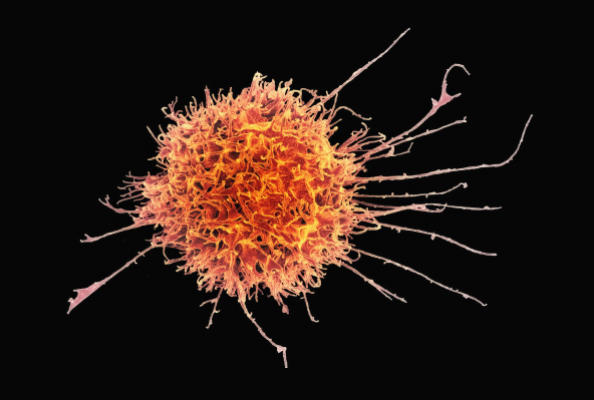
CD7是一种跨膜糖蛋白,主要表达于T细胞、NK细胞及其前体细胞表面,尤其在T细胞急性淋巴细胞白血病(T-ALL)、淋巴瘤等血液肿瘤中高表达。作为免疫球蛋白超家族成员,CD7参与T细胞活化、黏附和信号转导,在淋巴细胞发育及免疫应答中发挥重要作用,是T细胞恶性肿瘤的重要标志物。由于其表达特异性和在病理状态下的持续存在,CD7已成为开发新型免疫治疗策略的理想靶点。