










银屑病关节炎(PsA)是一种累及皮肤、关节、肌腱等多个组织的慢性炎症性疾病,严重限制患者的活动能力,并降低其生活质量与工作效率。传统改善病情抗风湿药(DMARDs)对部分患者效果有限,而现有传统单克隆抗体(mAb)生物制剂则因分子量过大(约150kDa)、组织穿透性差,难以有效分布于关节滑膜、肌腱等低血管化组织,导致滑膜液中药物浓度远低于血浆,无法充分发挥疗效。研究表明,仅约三分之一的患者在治疗6个月内能达到最小疾病活动度(MDA)。此外,PsA的发病与IL-17细胞因子家族密切相关,IL-17A和IL-17F在病灶组织中过度表达并形成同源/异源二聚体共同驱动炎症,仅抑制单一因子难以实现最佳治疗效果。因此,开发兼具双靶点抑制能力与高组织穿透性的新型抗体疗法,成为突破当前PsA治疗瓶颈的关键…
银屑病关节炎(PsA)是一种累及皮肤、关节、肌腱等多个组织的慢性炎症性疾病,严重限制患者的活动能力,并降低其生活质量与工作效率。传统改善病情抗风湿药(DMARDs)对部分患者效果有限,而现有传统单克隆抗体(mAb)生物制剂则因分子量过大(约150kDa)、组织穿透性差,难以有效分布于关节滑膜、肌腱等低血管化组织,导致滑膜液中药物浓度远低于血浆,无法充分发挥疗效。研究表明,仅约三分之一的患者在治疗6个月内能达到最小疾病活动度(MDA)。此外,PsA的发病与IL-17细胞因子家族密切相关,IL-17A和IL-17F在病灶组织中过度表达并形成同源/异源二聚体共同驱动炎症,仅抑制单一因子难以实现最佳治疗效果。因此,开发兼具双靶点抑制能力与高组织穿透性的新型抗体疗法,成为突破当前PsA治疗瓶颈的关键。
Psoriatic arthritis (PsA) is a chronic inflammatory disease affecting multiple tissues, including the skin, joints, and entheses, severely restricting patients' mobility and diminishing their quality of life and work productivity. Conventional disease-modifying antirheumatic drugs (DMARDs) show limited efficacy in some patients. Existing…
Psoriatic arthritis (PsA) is a chronic inflammatory disease affecting multiple tissues, including the skin, joints, and entheses, severely restricting patients' mobility and diminishing their quality of life and work productivity. Conventional disease-modifying antirheumatic drugs (DMARDs) show limited efficacy in some patients. Existing traditional monoclonal antibody (mAb) biologics face challenges due to their large molecular size (approximately 150 kDa) and poor tissue penetration, hindering effective distribution to poorly vascularized tissues like the synovium and entheses. This results in significantly lower drug concentrations in synovial fluid compared to plasma, limiting their therapeutic potential. Studies indicate that only about one-third of patients achieve minimal disease activity (MDA) within six months of initiating biologic or targeted synthetic DMARDs. Furthermore, PsA pathogenesis is closely linked to the interleukin-17 (IL-17) cytokine family. Both IL-17A and IL-17F are overexpressed in lesional tissues and form homodimers and heterodimers that collectively drive inflammation. Inhibiting only a single cytokine is often insufficient for optimal therapeutic outcomes. Therefore, developing novel antibody therapies that combine dual-target inhibition with enhanced tissue penetration is crucial for overcoming current treatment bottlenecks in PsA.
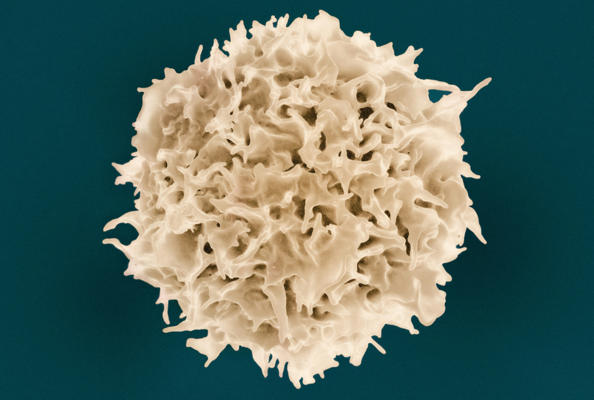
T细胞恶性肿瘤是一类具有高度侵袭性和复发率的血液肿瘤,患者预后普遍较差。又因为CD5作为T细胞恶性肿瘤的特征性标志物,且几乎在所有正常T细胞表面也有表达,使得CAR-T疗法难以区分敌我,甚至攻击正常T细胞,进而引发免疫功能衰竭。NK细胞作为免疫系统的关键效应细胞,无需抗原致敏即可识别并清除肿瘤细胞,且其表面不表达CD5,成为了靶向CD5+肿瘤细胞的理想效应细胞。
T-cell malignancies are a group of highly aggressive hematologic tumors with high relapse rates and generally poor patient prognosis. A significant challenge arises because CD5, a characteristic marker of malignant T-cells, is also expressed on almost all normal T-cells. This makes CD5-targeting CAR-T therapies unable to distinguish friend from…
T-cell malignancies are a group of highly aggressive hematologic tumors with high relapse rates and generally poor patient prognosis. A significant challenge arises because CD5, a characteristic marker of malignant T-cells, is also expressed on almost all normal T-cells. This makes CD5-targeting CAR-T therapies unable to distinguish friend from foe, leading them to attack normal T-cells and potentially cause immune function failure. Natural Killer (NK) cells, as key effector cells of the immune system, can recognize and eliminate tumor cells without prior antigen sensitization. Furthermore, their surface lacks CD5 expression, making them ideal effector cells for targeting CD5+ tumor cells.
肿瘤抑制蛋白p16INK4a(简称p16)在细胞周期调控中扮演着关键角色,它通过抑制CDK4/6激酶活性,阻止细胞异常增殖,是天然的“抗癌卫士”。然而,在多种癌症中,p16基因常因突变而失活,尤其是错义突变导致蛋白质结构不稳定、易于降解或错误折叠,从而丧失抑癌功能。据统计,超过一半的家族性黑色素瘤和多种散发性肿瘤中均存在p16突变。传统的基因疗法或小分子药物难以直接“修复”这类结构不稳定的蛋白,因此,寻找能够稳定突变p16的分子伴侣成为治疗的新方向。近日,一项发表于《Structure》期刊的突破性研究,为癌症治疗领域带来了全新希望。该研究由英国剑桥大学药理学系与纽卡斯尔大学癌症研究中心联合开展,聚焦纳米抗体在修复p16功能中的应用,成功破解了p16突变导致的结构失稳难题,为靶向癌症治疗开…
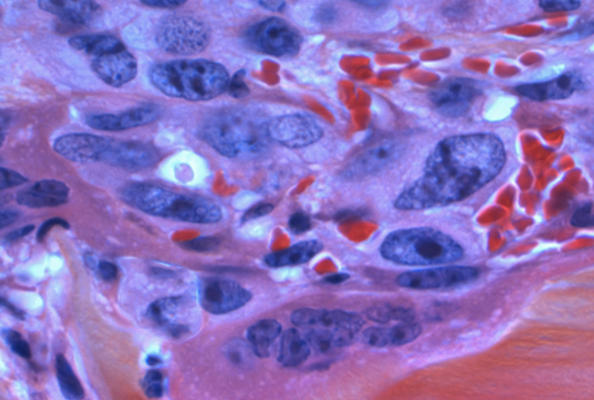
肿瘤抑制蛋白p16INK4a(简称p16)在细胞周期调控中扮演着关键角色,它通过抑制CDK4/6激酶活性,阻止细胞异常增殖,是天然的“抗癌卫士”。然而,在多种癌症中,p16基因常因突变而失活,尤其是错义突变导致蛋白质结构不稳定、易于降解或错误折叠,从而丧失抑癌功能。据统计,超过一半的家族性黑色素瘤和多种散发性肿瘤中均存在p16突变。传统的基因疗法或小分子药物难以直接“修复”这类结构不稳定的蛋白,因此,寻找能够稳定突变p16的分子伴侣成为治疗的新方向。近日,一项发表于《Structure》期刊的突破性研究,为癌症治疗领域带来了全新希望。该研究由英国剑桥大学药理学系与纽卡斯尔大学癌症研究中心联合开展,聚焦纳米抗体在修复p16功能中的应用,成功破解了p16突变导致的结构失稳难题,为靶向癌症治疗开辟了全新路径。