










尽管疫苗和抗病毒药物在不断进步,但呼吸道病毒感染的预防和传播在全球范围内仍面临着重大挑战。现有方法的一个明显局限是,它们无法在感染初始部位(呼吸道黏膜)提供强效保护。近日,在 nature nanotechnology上发表的一篇文章《Engineered mucus-tethering bispecific nanobodies enhance mucosal immunity against respiratory…
尽管疫苗和抗病毒药物在不断进步,但呼吸道病毒感染的预防和传播在全球范围内仍面临着重大挑战。现有方法的一个明显局限是,它们无法在感染初始部位(呼吸道黏膜)提供强效保护。近日,在 nature nanotechnology上发表的一篇文章《Engineered mucus-tethering bispecific nanobodies enhance mucosal immunity against respiratory pathogens》其研究结果表明,设计策略通过阻断病毒入侵和限制传播链,为增强呼吸道病毒的黏膜防御提供了新思路。本文章研究者设计了一种黏液锚定双特异性纳米抗体。其设计目的是通过结合病毒表面蛋白来中和病毒,同时通过将病毒固定在黏蛋白上,将其捕获在黏液层中。与传统的非黏液锚定纳米抗体相比,这些双特异性纳米抗体在呼吸道中的滞留时间增加,为小鼠提供了更强的抗流感病毒感染保护,并减少了仓鼠模型中的SARS-CoV-2传播。接下来我们就一起来看一下这项研究获得的成果以及它带来的意义。

Currently, for diseases like FEVR, existing methods (laser, surgery) can only address complications (such as bleeding, detachment) but cannot fundamentally correct vascular developmental defects. Therapies targeting the underlying cause are completely lacking. However, in 2024, Boehringer Ingelheim licensed the FZD4 agonist SZN-413 for a potential…
Currently, for diseases like FEVR, existing methods (laser, surgery) can only address complications (such as bleeding, detachment) but cannot fundamentally correct vascular developmental defects. Therapies targeting the underlying cause are completely lacking. However, in 2024, Boehringer Ingelheim licensed the FZD4 agonist SZN-413 for a potential total of $599 million. This is not just a single project deal but signifies strong recognition by a top pharmaceutical company of the entire target's biology and translational pathway. The development of SZN-413 indicates a new direction in the treatment of ophthalmic diseases.Next, let's get to know the FZD4 (Frizzled-4) target.
目前对于FEVR等疾病,现有手段(激光、手术)仅能处理并发症(如出血、脱离),无法从根本上纠正血管发育缺陷,针对病因的疗法是一片空白。然而2024年,勃林格殷格翰以潜在总额5.99亿美元引进FZD4激动剂SZN-413。这不仅是单一项目的交易,更是顶级药企对整个靶点生物学和转化路径的强力认可。SZN-413的研发意味着在眼科疾病的治疗方向上指出了一条新的道路。接下来我们就来认识一下FZD4(卷曲蛋白4)靶点。
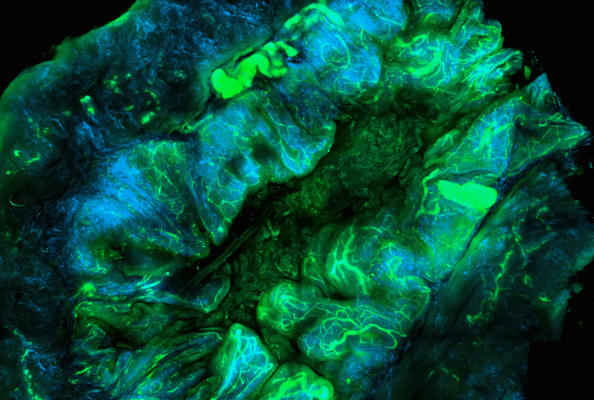
Yes-associated protein (YAP) is an oncoprotein that exists in an inactive form in the cytoplasm. As a key effector of the Hippo signaling pathway, it plays a central role in cell proliferation and differentiation regulation. Its abnormal activation drives tumorigenesis and is closely associated with tumor malignancy, recurrence, metastasis, and…
Yes-associated protein (YAP) is an oncoprotein that exists in an inactive form in the cytoplasm. As a key effector of the Hippo signaling pathway, it plays a central role in cell proliferation and differentiation regulation. Its abnormal activation drives tumorigenesis and is closely associated with tumor malignancy, recurrence, metastasis, and chemotherapy resistance.
Yes-associated protein(YAP)是一种以非活性形式存在于细胞质中的癌蛋白,作为Hippo信号通路的关键效应因子,在细胞增殖、分化调控中发挥核心作用,其异常激活会推动肿瘤发生发展,并与肿瘤恶性程度、复发转移及化疗耐药性密切相关。