










GPCR(G蛋白偶联受体)是人类细胞膜上最重要的信号转导蛋白家族之一,调控着从视觉、嗅觉到心血管功能的多种生理过程,其中AT1R(血管紧张素II型1受体)作为该家族中的重要成员,在血压调节、体液平衡及心血管疾病中发挥核心作用。然而AT1R等肽类配体结合型GPCR的激活机制一直存在研究瓶颈,传统方法难以捕获其活性构象,制约了靶向药物的精准研发。哈佛医学院、杜克大学等机构的研究团队借助合成纳米抗体技术,成功破解了这一难题,相关成果发表于《Cell》,为 GPCR 研究与药物开发开辟了全新路径。
G protein-coupled receptors (GPCRs) are one of the most important signal transduction protein families in human cell membranes, regulating a wide range of physiological processes from vision and olfaction to cardiovascular function. Among them, the Angiotensin II Type 1 Receptor (AT1R) plays a central role in blood pressure regulation, fluid…
G protein-coupled receptors (GPCRs) are one of the most important signal transduction protein families in human cell membranes, regulating a wide range of physiological processes from vision and olfaction to cardiovascular function. Among them, the Angiotensin II Type 1 Receptor (AT1R) plays a central role in blood pressure regulation, fluid balance, and cardiovascular diseases. However, the activation mechanism of peptide ligand-binding GPCRs like AT1R has long been a research bottleneck, as traditional methods struggled to capture their active conformations, hindering the precise development of targeted therapeutics. A research team from Harvard Medical School, Duke University, and other institutions has successfully overcome this challenge using synthetic nanobody technology. Their findings, published in Cell, pave a new path for GPCR research and drug development.
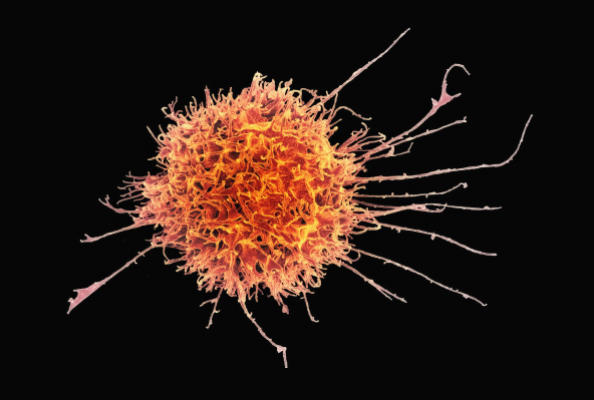
CD7是一种跨膜糖蛋白,主要表达于T细胞、NK细胞及其前体细胞表面,尤其在T细胞急性淋巴细胞白血病(T-ALL)、淋巴瘤等血液肿瘤中高表达。作为免疫球蛋白超家族成员,CD7参与T细胞活化、黏附和信号转导,在淋巴细胞发育及免疫应答中发挥重要作用,是T细胞恶性肿瘤的重要标志物。由于其表达特异性和在病理状态下的持续存在,CD7已成为开发新型免疫治疗策略的理想靶点。
CD7 is a transmembrane glycoprotein primarily expressed on the surface of T cells, NK cells, and their precursor cells. It is highly expressed, especially in hematological tumors such as T-cell acute lymphoblastic leukemia (T-ALL) and lymphoma. As a member of the immunoglobulin superfamily, CD7 is involved in T cell activation, adhesion, and…
CD7 is a transmembrane glycoprotein primarily expressed on the surface of T cells, NK cells, and their precursor cells. It is highly expressed, especially in hematological tumors such as T-cell acute lymphoblastic leukemia (T-ALL) and lymphoma. As a member of the immunoglobulin superfamily, CD7 is involved in T cell activation, adhesion, and signal transduction, playing an important role in lymphocyte development and immune response. It is a significant marker for T-cell malignancies. Due to its specific expression and persistence in pathological states, CD7 has become an ideal target for developing novel immunotherapeutic strategies.
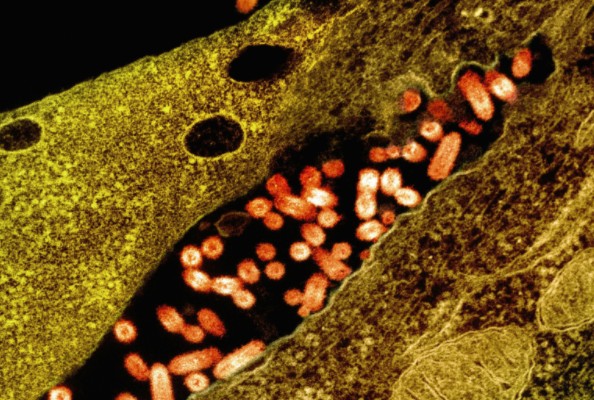
水泡性口炎病毒(VSV)是极具潜力的溶瘤病毒,可优先在干扰素通路缺陷的肿瘤细胞中复制并实现溶瘤效果,其糖蛋白(VSV-G)是慢病毒伪型最常用的包膜糖蛋白,被广泛用于基因治疗领域的研究。然而VSV-G的天然受体(LDL-R家族)在几乎所有细胞表面均有表达,导致VSV和伪型慢病毒缺乏靶向性,不仅会感染正常细胞引发脱靶毒性,还会降低体内精准治疗效果。已知VSV-G的K47和R354位点突变可完全消除其与LDL-R的结合,但保留融合活性,为改造VSV-G靶向性提供了可能。