


- Details
- Parent Category: Knowledge Base
- Hits: 31
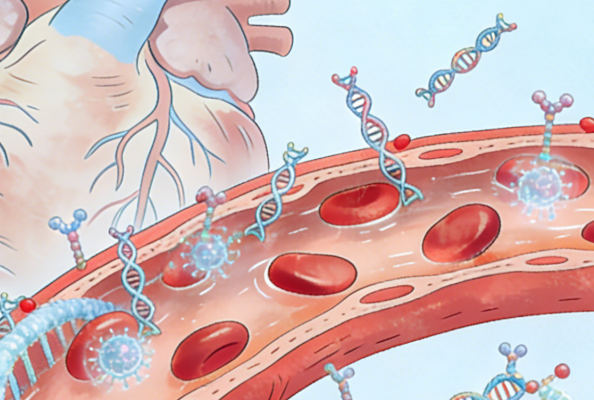
In March 2026, the Chinese innovative drug sector received exciting news — MWX401 Injection, an independently developed small interfering RNA (siRNA) novel drug, was officially issued the Clinical Trial Approval Notice by the National Medical Products Administration (NMPA), granting approval for clinical trials in essential hypertension. Notably, this novel drug innovatively integrates nanobody technology to achieve targeted delivery and efficacy enhancement of siRNA drugs, bringing new treatment hope to hundreds of millions of hypertension patients and driving a pivotal breakthrough in the synergistic application of domestic siRNA technology and nanobodies in the field of chronic diseases.
- Details
- Parent Category: Knowledge Base
- Hits: 136
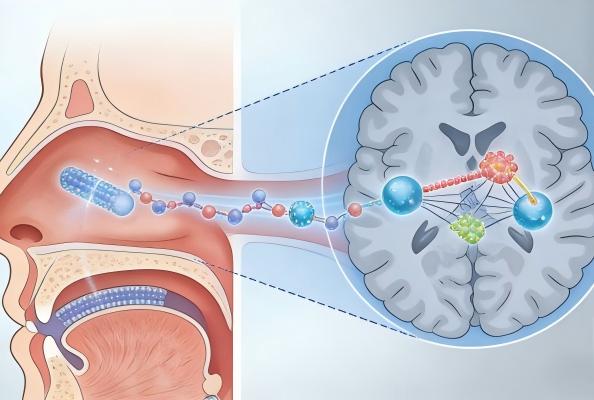
A recent international collaborative research team published a landmark study in the top-tier journal Nature Communications. For the first time, they successfully developed a nanobody (Nb20) targeting a novel brain receptor, the "metabotropic glycine receptor (mGlyR)," and achieved rapid, potent, and long-lasting antidepressant effects in a mouse model through non-invasive intranasal delivery. This research not only validates the tremendous potential of mGlyR as a new antidepressant target but also demonstrates the feasibility of nanobodies as novel biologics for treating brain disorders, offering a new therapeutic paradigm for intractable neuropsychiatric conditions.
So, what are the key findings of this "landmark" study, and what is its mechanism of action?
- Details
- Parent Category: Knowledge Base
- Hits: 153
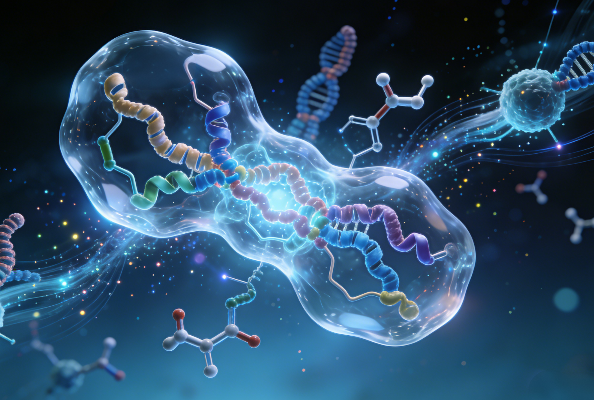
In the golden track of cancer immunotherapy, immunotherapy targeting PD-1 (Programmed Death Receptor 1) has become a classic paradigm, but its single-target strategy faces bottlenecks in clinical response rate and drug resistance. With the deepening understanding of tumor immune escape mechanisms, PD-L1 (Programmed Death Ligand 1), as a key ligand of PD-1, has gradually moved from the "background pathway" to the "center stage" and become one of the core targets for a new generation of immune combination therapy and multi-mechanism synergistic intervention. Since the approval of the first inhibitor, it has rewritten the treatment outcomes of countless cancer patients with its clear mechanism of action and broad-spectrum anti-cancer effects. The rise of nanobodies is breaking through its clinical application bottlenecks. Combined with the latest research results in 2026, the potential of this classic target continues to explode.
Today, we follow the R&D context of PD-L1 to discuss its core value, latest breakthroughs, and how nanobodies have become the "key to breaking the deadlock"!
- Details
- Parent Category: Knowledge Base
- Hits: 130

- Details
-
Also available in:

- Parent Category: Knowledge Base
- Hits: 153
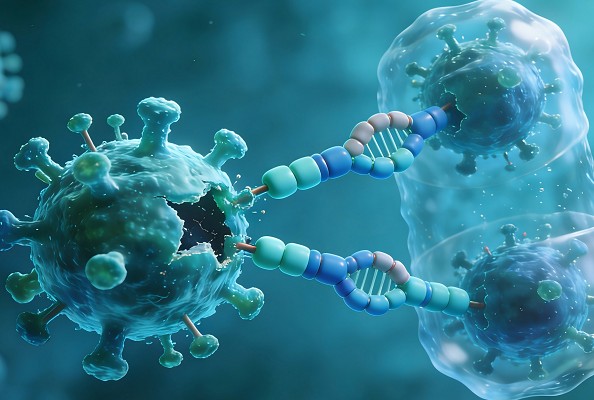
A recent report in Nature Communications highlights a significant breakthrough: researchers have successfully developed a nanobody named NB5 capable of precisely "remotely controlling" the heart's pacemaking switch.This study reports for the first time a nanobody, NB5, that can specifically bind to and activate the HCN4 ion channel from the extracellular side. This work not only provides a novel candidate therapeutic strategy for treating cardiac pacemaking dysfunction but, more importantly, reveals a "non-canonical" electromechanical coupling mechanism, challenging the traditional understanding of HCN channel gating principles.Let's take a closer look at this research and its significance.

- Details
-
Also available in:
- Parent Category: Knowledge Base
- Hits: 274
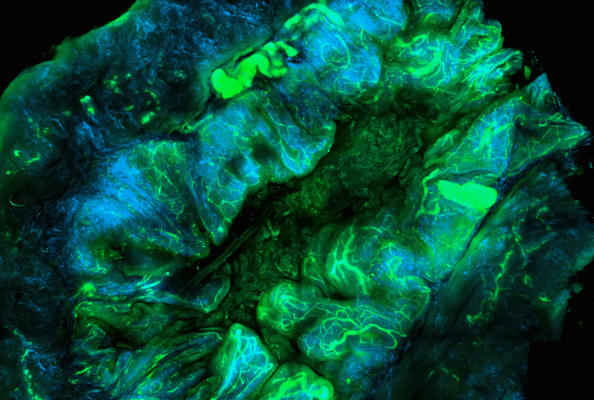
Currently, for diseases like FEVR, existing methods (laser, surgery) can only address complications (such as bleeding, detachment) but cannot fundamentally correct vascular developmental defects. Therapies targeting the underlying cause are completely lacking. However, in 2024, Boehringer Ingelheim licensed the FZD4 agonist SZN-413 for a potential total of $599 million. This is not just a single project deal but signifies strong recognition by a top pharmaceutical company of the entire target's biology and translational pathway. The development of SZN-413 indicates a new direction in the treatment of ophthalmic diseases.Next, let's get to know the FZD4 (Frizzled-4) target.
- Details
-
Also available in:
- Parent Category: Knowledge Base
- Hits: 241
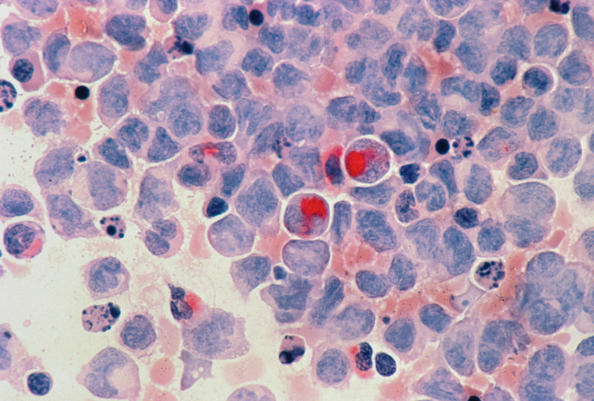
Yes-associated protein (YAP) is an oncoprotein that exists in an inactive form in the cytoplasm. As a key effector of the Hippo signaling pathway, it plays a central role in cell proliferation and differentiation regulation. Its abnormal activation drives tumorigenesis and is closely associated with tumor malignancy, recurrence, metastasis, and chemotherapy resistance.
- Details
-
Also available in:
- Parent Category: Knowledge Base
- Hits: 214
CD19 is a type I transmembrane glycoprotein of the immunoglobulin superfamily, serving as a B cell-specific marker. It is continuously expressed throughout B cell development but disappears upon terminal differentiation into plasma cells. As it lacks intrinsic kinase activity, CD19 needs to form a B cell co-receptor complex with proteins such as CD21 and CD81 to function. Acting as a co-receptor for the B cell receptor (BCR), when the BCR recognizes an antigen, CD19 cooperates to bring the antigen protein closer and strengthens binding. It then rapidly activates kinases like Lyn, which are connected to its intracellular domain, while powerfully recruiting and activating key downstream signaling molecules such as PI3K, Vav, and PLC-γ. Through this mechanism, CD19 enhances BCR-mediated signal transduction, significantly lowers the activation threshold for B cells, and makes immune responses more sensitive and efficient.