



- Details
-
Also available in:

- Parent Category: Knowledge Base
- Hits: 249
G protein-coupled receptors (GPCRs) are one of the most important signal transduction protein families in human cell membranes, regulating a wide range of physiological processes from vision and olfaction to cardiovascular function. Among them, the Angiotensin II Type 1 Receptor (AT1R) plays a central role in blood pressure regulation, fluid balance, and cardiovascular diseases. However, the activation mechanism of peptide ligand-binding GPCRs like AT1R has long been a research bottleneck, as traditional methods struggled to capture their active conformations, hindering the precise development of targeted therapeutics. A research team from Harvard Medical School, Duke University, and other institutions has successfully overcome this challenge using synthetic nanobody technology. Their findings, published in Cell, pave a new path for GPCR research and drug development.
- Details
-
Also available in:
- Parent Category: Knowledge Base
- Hits: 305
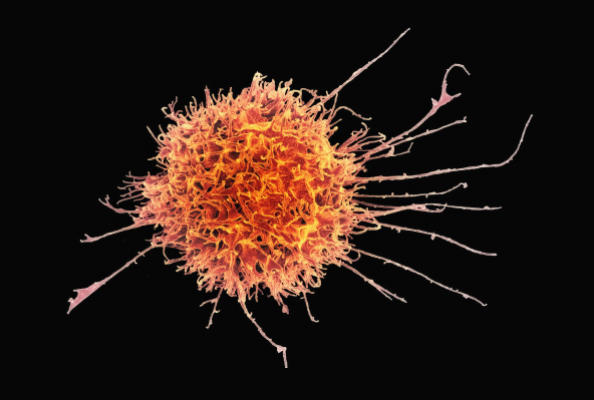
CD7 is a transmembrane glycoprotein primarily expressed on the surface of T cells, NK cells, and their precursor cells. It is highly expressed, especially in hematological tumors such as T-cell acute lymphoblastic leukemia (T-ALL) and lymphoma. As a member of the immunoglobulin superfamily, CD7 is involved in T cell activation, adhesion, and signal transduction, playing an important role in lymphocyte development and immune response. It is a significant marker for T-cell malignancies. Due to its specific expression and persistence in pathological states, CD7 has become an ideal target for developing novel immunotherapeutic strategies.
- Details
-
Also available in:
- Parent Category: Knowledge Base
- Hits: 418
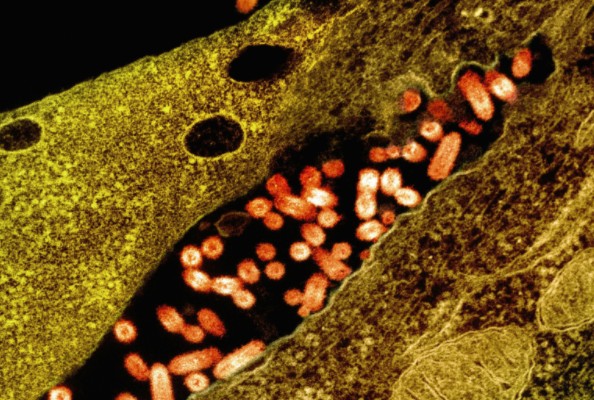
Vesicular stomatitis virus (VSV) is a highly promising oncolytic virus capable of preferentially replicating in and lysing tumor cells with defective interferon signaling pathways. Its glycoprotein (VSV-G) is the most commonly used envelope glycoprotein for pseudotyping lentiviral vectors and is widely utilized in gene therapy research. However, the natural receptors of VSV-G (the LDL-R family) are expressed on the surface of nearly all cell types, leading to a lack of targeting specificity for both VSV and pseudotyped lentiviruses. This not only results in the infection of normal cells, causing off-target toxicity, but also reduces the efficacy of precise in vivo treatments. It is known that mutations at the K47 and R354 residues of VSV-G can completely abolish its binding to LDL-R while preserving its fusion activity, offering a potential strategy for engineering targeted VSV-G.

- Details
-
Also available in:
- Parent Category: Knowledge Base
- Hits: 344
CD8 is a membrane-bound glycoprotein widely expressed on cytotoxic T cells (CD8⁺ T cells), certain subsets of natural killer (NK) cells, and specific populations during thymocyte development. It typically exists as a heterodimer of an alpha and a beta chain, functioning as a co-receptor for the T-cell receptor (TCR). It binds to Major Histocompatibility Complex class I (MHC-I) molecules, enhancing the affinity of the TCR for the peptide-MHC complex, thereby promoting downstream signal transduction and T cell activation. CD8 plays a critical role in immune responses and is one of the key effector molecules for the body to clear virus-infected cells and tumor cells. Due to its central role in immune regulation, CD8 has become an important target in tumor immunotherapy, immune cell research, and the exploration of immune regulatory mechanisms.